

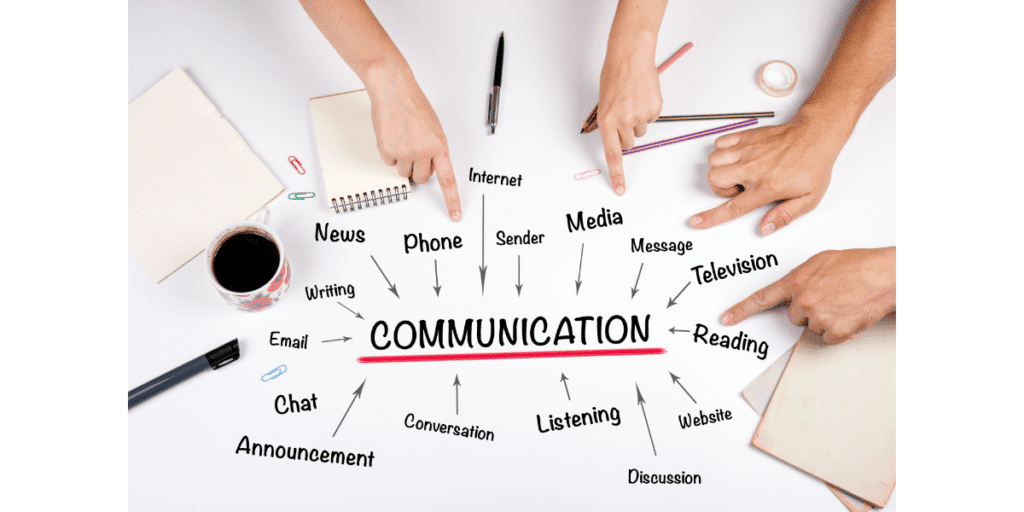
Effective communication is essential for success in the workplace. Here are some tips on how to improve communication in your work environment:
Use clear and concise language: When communicating with colleagues, be sure to use clear and concise language. Avoid using jargon or technical terms that others may not understand, and be mindful of your tone and body language.
Listen actively: Effective communication is a two-way street. Be sure to listen actively to your colleagues and show that you value their input. Avoid interrupting and ask clarifying questions to ensure that you understand their message.
Use the right communication tools: There are many communication tools available, from email and instant messaging to video conferencing and project management software. Choose the right tool for the task and ensure that everyone knows how to use it effectively.
Be open to feedback: Feedback is an important part of communication. Be open to receiving feedback from your colleagues and take it as an opportunity to learn and grow.
Use positive language: Using positive language can help build rapport and create a more collaborative work environment. Instead of saying “no” or “I can’t,” try to use positive language, such as “Let me see what I can do” or “I’ll look into that.”
Clarify expectations: Be sure to clarify expectations with your colleagues and managers to ensure that everyone is on the same page. This can help prevent misunderstandings and ensure that everyone is working towards the same goals.
Avoid multitasking: Multitasking can be a major distraction and can hinder effective communication. When communicating with colleagues, avoid multitasking and give them your full attention.
Use active voice: Active voice is more engaging and can help clarify your message. Instead of saying “The report was completed by me,” say “I completed the report.”
Be respectful: Respect is a key component of effective communication. Be respectful of your colleagues’ time and opinions, and avoid making assumptions or jumping to conclusions.
Practice empathy: Empathy is the ability to understand and share the feelings of others. Practicing empathy can help you better understand your colleagues’ perspectives and build stronger relationships.
By implementing these tips, you can improve communication in your work environment and create a more collaborative and productive work environment. Remember, effective communication takes practice and requires ongoing effort, but the rewards can be significant.