
Stillness isn’t popular.
It doesn’t announce itself.
It doesn’t compete for attention.
And yet, in a world that never stops moving, stillness has become one of the rarest — and most powerful — advantages a person can develop.
A World That Never Pauses
Busy has become a badge of honour.
Calendars are full.
Notifications never stop.
Reaction is mistaken for relevance.
The pressure isn’t just to act — it’s to act now. To reply quickly. To decide instantly. To show momentum, even when direction is unclear.
Pausing feels risky. Silence feels uncomfortable. Stillness can look like falling behind.
So most people keep moving — not because they know where they’re going, but because stopping feels worse.
What Stillness Really Is (And What It Isn’t)
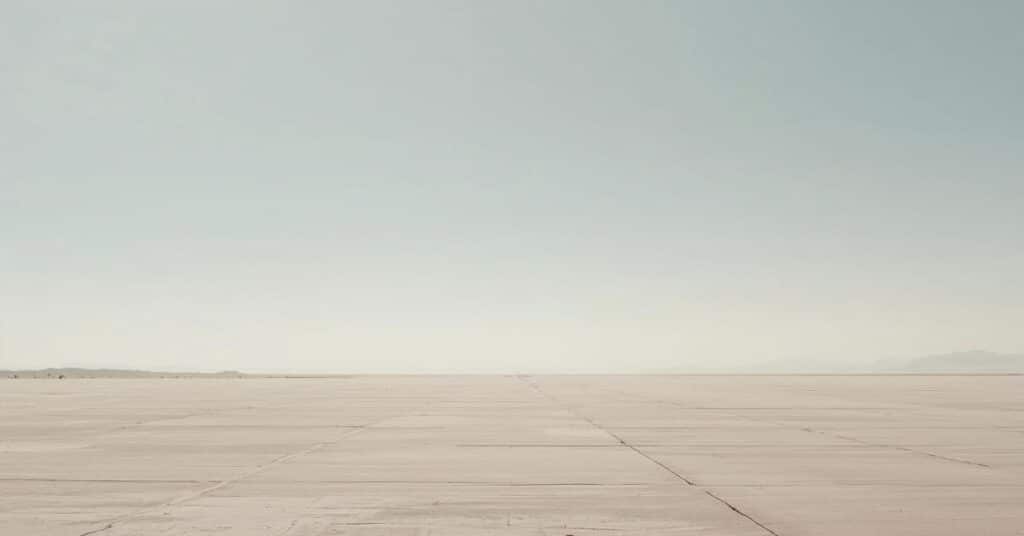
Stillness isn’t doing nothing.
It isn’t withdrawal.
It isn’t avoidance.
Stillness is intentional pause.
It’s the moment between stimulus and response where clarity forms. The space where emotion settles and perspective returns. The ability to hold steady while everything around you accelerates.
Stillness doesn’t slow progress. It refines it.
Why Stillness Feels So Unnatural Now
Modern life trains us away from stillness.
We’re rewarded for speed.
We’re praised for immediacy.
We’re encouraged to fill every gap.
Moments of silence are quickly replaced with scrolling. Waiting is treated like wasted time. Reflection feels indulgent — something to do later, when things calm down.
But things rarely calm down on their own.
Without stillness, busyness multiplies. Decisions pile up. Energy leaks in every direction.
The cost isn’t obvious at first — but it compounds quietly.
Stillness Creates Better Decisions
The clearest thinkers aren’t the fastest responders.
They’re the ones who:
- Pause before committing
- Let emotions pass before deciding
- Separate urgency from importance
Stillness gives decisions room to breathe. It reduces rework. It prevents regret. It allows you to respond to what actually matters — not just what’s loudest.
Over time, this creates a noticeable difference in outcomes.
Not dramatic. Just consistently better.
The Quiet Strength of Restraint
There’s strength in not reacting.
In not filling every silence.
In not explaining yourself prematurely.
In not being pulled into every opinion cycle.
Restraint protects energy. It keeps focus intact. It prevents unnecessary conflict and distraction.
People who practise stillness tend to speak less — but when they do, it’s deliberate. Measured. Useful.
Their calm isn’t passive. It’s controlled.
Why Stillness Compounds
The benefits of stillness aren’t immediate — and that’s why most people overlook them.
Stillness compounds in subtle ways:
- Fewer rushed decisions
- Clearer priorities
- Better emotional regulation
- Stronger trust from others
Day by day, the person who pauses gains an edge the person who constantly reacts never sees coming.
Not because they move faster — but because they move with intention.
Stillness in Practice (Without Turning It Into a Technique)
Stillness doesn’t need rituals or rules.
It shows up in small choices:
- Waiting before replying
- Sitting with uncertainty instead of rushing to close it
- Letting a thought mature before sharing it
- Choosing depth over speed
These moments don’t look impressive. They don’t create noise. But they quietly shape better results.
Why This Matters More Than Ever
As the world gets busier, stillness becomes rarer.
And rarity creates value.
Those who can stay grounded while others scramble develop a kind of quiet authority. They’re trusted more. Listened to more. Respected more — often without trying.
Stillness becomes a signal:
This person isn’t overwhelmed.
This person isn’t reactive.
This person knows what matters.
A Different Kind of Advantage
You don’t need to escape the world to practise stillness.
You just need moments where you don’t let the world rush you.
In a culture that rewards constant motion, the ability to pause is no longer weakness. It’s leverage.
Stillness doesn’t slow you down.